

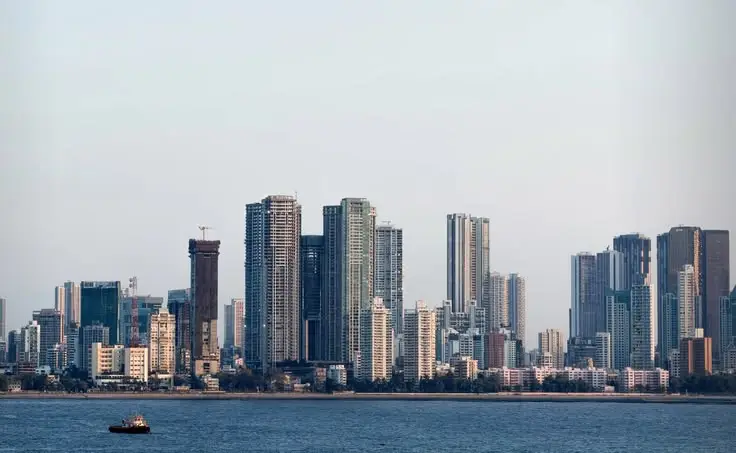
Mumbai is one of India’s most dynamic and sought-after real estate markets. From premium apartments in South Mumbai to modern residences in the western and central suburbs, the city offers a wide range of property options for homebuyers, tenants, and investors. Whether you are looking to buy your first home, rent a property, sell an existing asset, or invest in commercial real estate, understanding the local market can help you make a more informed decision.
Mumbai’s property market is influenced by several factors, including location, connectivity, infrastructure, amenities, property type, and future development. Areas such as Andheri, Bandra, Powai, Goregaon, Borivali, Thane, Lower Parel, Worli, and Chembur continue to attract buyers because of their connectivity and growing residential and commercial opportunities.
Understanding the Mumbai Property Market
Mumbai offers properties across different budgets and requirements. Homebuyers can choose from apartments, luxury residences, independent homes, and new developments, while investors can explore offices, shops, commercial spaces, and other income-generating properties.
Location remains one of the most important factors when selecting a property in Mumbai. Proximity to business districts, schools, hospitals, shopping destinations, public transport, and major roads can significantly influence both the property’s value and its long-term demand.
When evaluating a property, buyers should also consider the builder’s reputation, construction quality, amenities, maintenance costs, possession timeline, and available documentation.
How to Choose the Right Property in Mumbai
Choosing a property should begin with a clear understanding of your requirements. Consider your preferred location, property type, budget, size, lifestyle needs, and long-term goals before starting your search.
A professional property consultant can help narrow down suitable options and provide information about available properties, pricing, amenities, and neighbourhoods.
Some important factors to consider include:
- Location and neighbourhood
- Property price and overall budget
- Connectivity and transportation
- Carpet area and property layout
- Building amenities and maintenance
- Developer or seller reputation
- Property documentation and approvals
- Future development and investment potential
Buying a Home in Mumbai
Buying a home is a major financial decision, so it is important to approach the process carefully. Start by determining your budget and understanding the additional costs involved, such as registration, stamp duty, maintenance, parking, and other applicable charges.
Once you have shortlisted properties, compare them based on location, specifications, price, amenities, and future potential. Visiting the property personally can also help you evaluate the neighbourhood, construction quality, accessibility, and overall surroundings.
Before finalizing a purchase, make sure the necessary property documents are properly reviewed and verified.
Renting a Property in Mumbai
For people who are not ready to purchase a property, renting can be a practical option. Mumbai has a strong rental market with residential properties available across different neighbourhoods and price ranges.
When renting a property, consider the monthly rent, security deposit, maintenance charges, lease terms, location, transportation, and nearby facilities. It is also important to clearly understand the rental agreement before signing it.
Investing in Mumbai Real Estate
Mumbai continues to be an important destination for real estate investment because of its strong economic activity, employment opportunities, infrastructure development, and limited availability of land in several established areas.
Investors should look beyond current property prices and consider factors such as rental demand, location growth, connectivity, upcoming infrastructure, commercial development, and potential appreciation.
Factors to Consider Before Investing
A successful real estate investment requires careful research. Before investing, consider:
- Location and connectivity
- Current property prices
- Rental demand
- Expected appreciation
- Infrastructure development
- Developer reputation
- Property maintenance and recurring costs
- Legal and regulatory documentation

Join The Discussion